
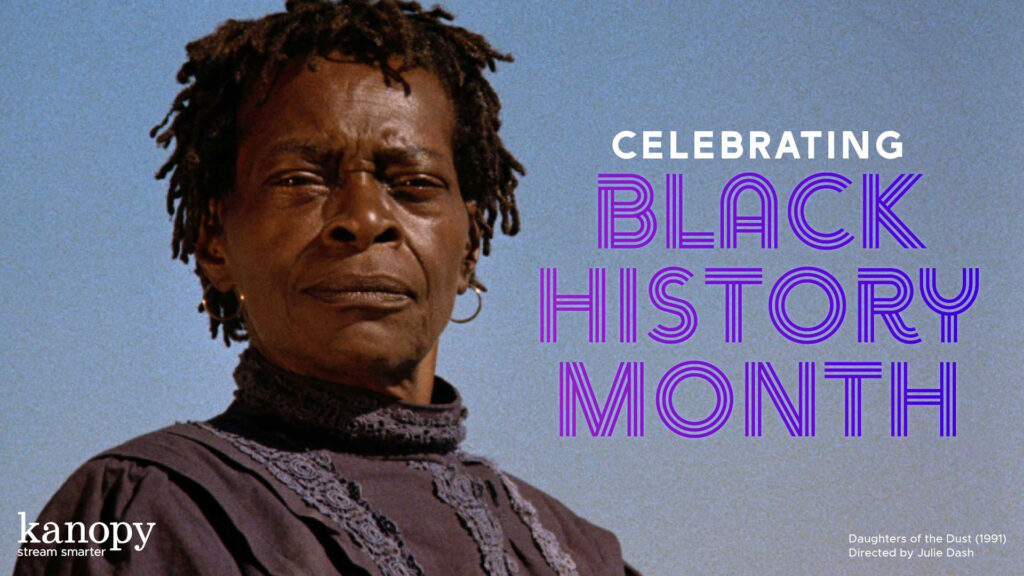
Celebrate Black History Month with powerful films that showcase the rich cultural legacy and remarkable contributions of Black Americans. Explore Kanopy’s collection for inspiring stories of history, resilience, and progress within the Black community. Stream the collection at kanopy.com/category/40898.

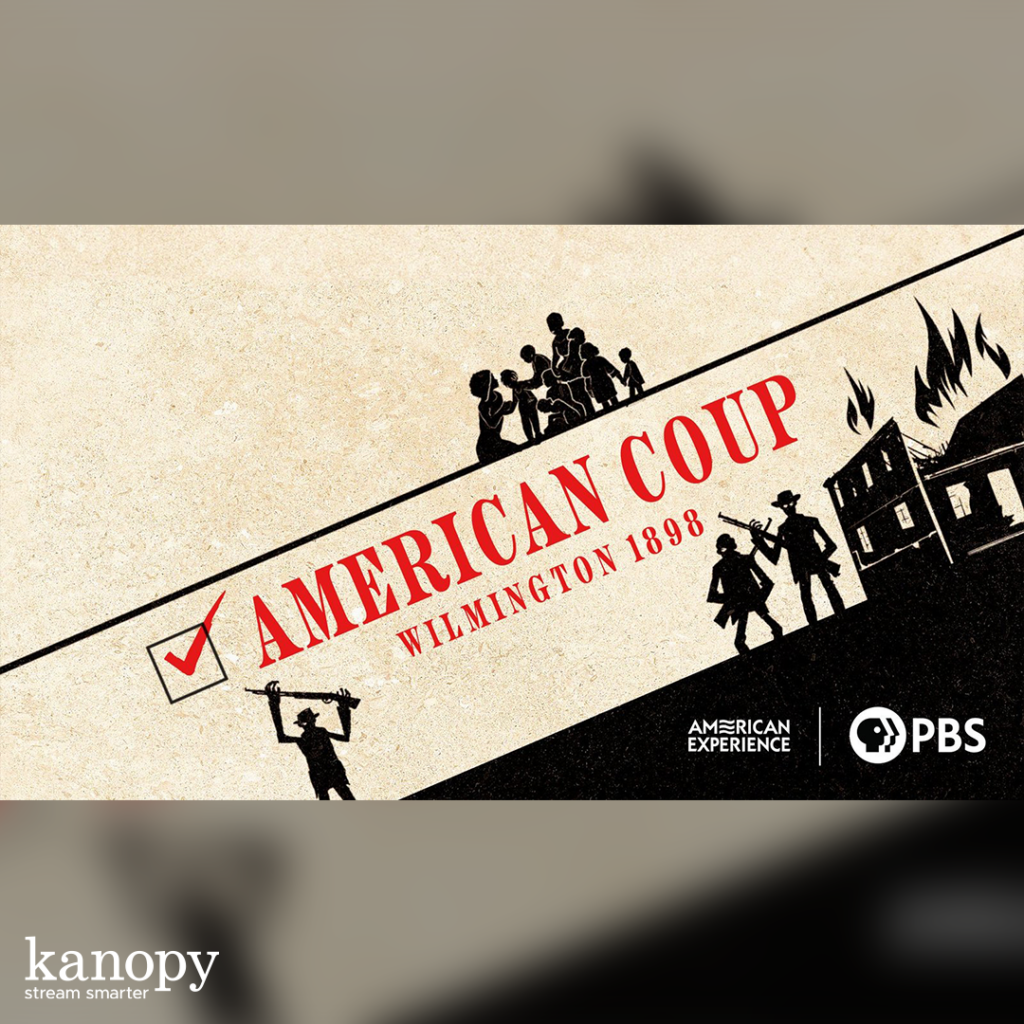
American Coup: Wilmington 1898 tells the story of a deadly race massacre and carefully orchestrated insurrection in North Carolina’s largest city in 1898. Stoking fears of “Negro Rule,” self-described white supremacists used intimidation and violence to destroy Black political and economic power and overthrow Wilmington’s democratically-elected, multi-racial government. From American Experience.
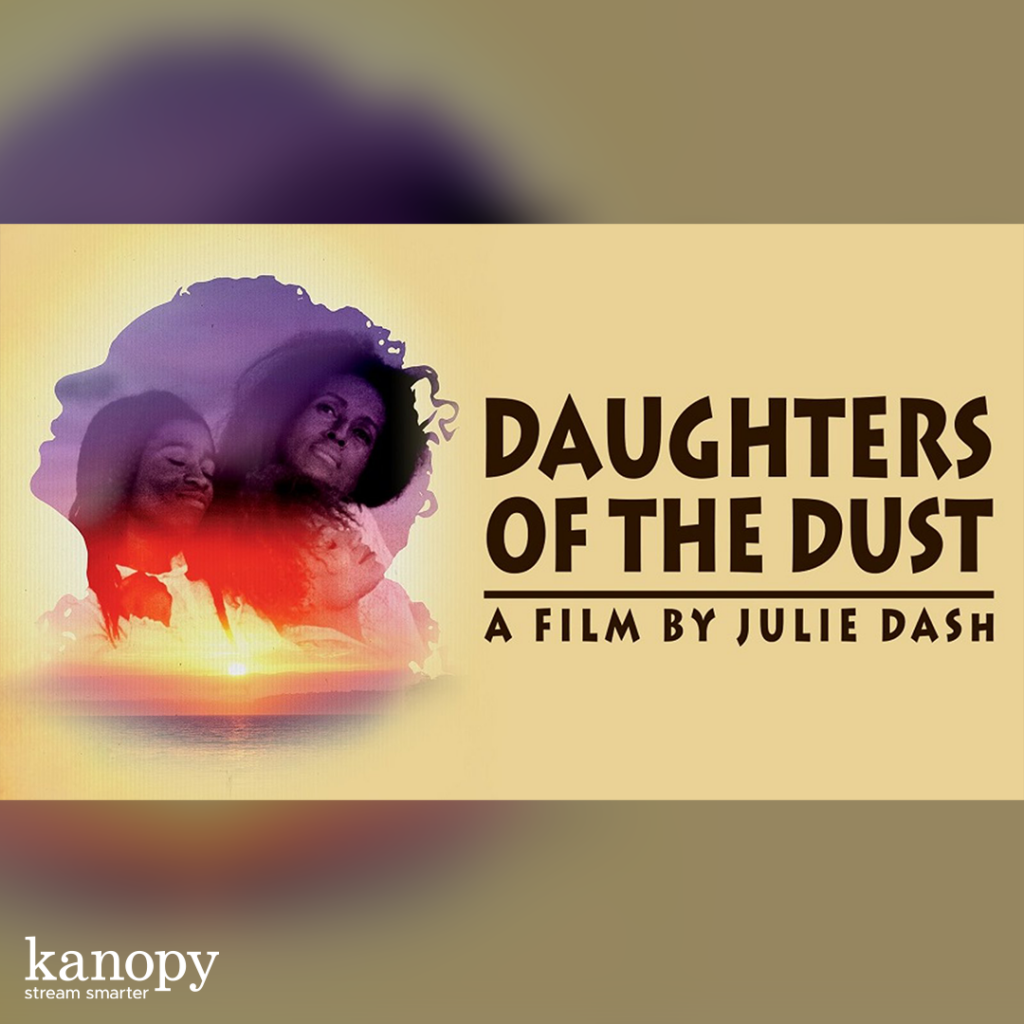
At the dawn of the 20th century, a multi-generational family in the Gullah community on the Sea Islands off of South Carolina – former West African slaves who adopted many of their ancestors’ Yoruba traditions – struggle to maintain their cultural heritage and folklore while contemplating a migration to the mainland, even further from their roots.
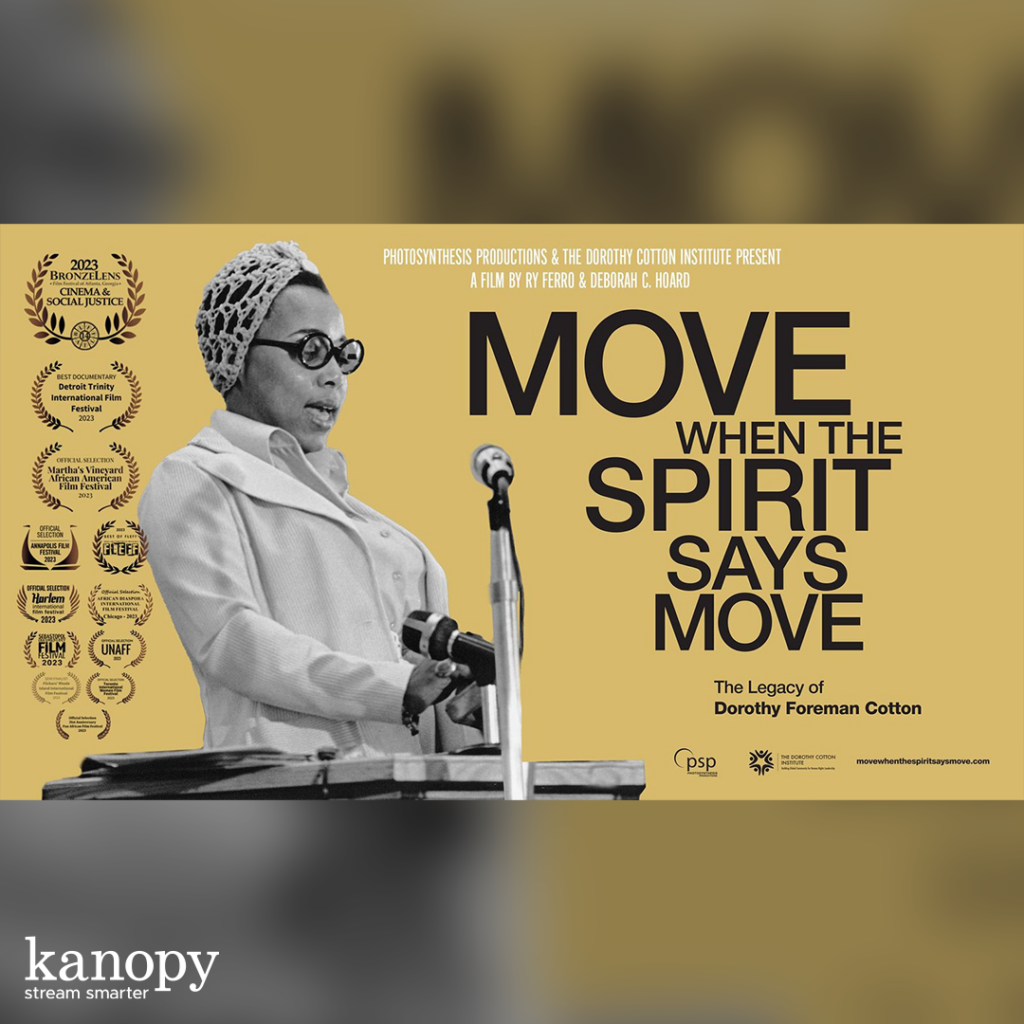
Move When the Spirit Says Move
Dorothy Foreman Cotton was a bold and highly effective civil rights leader, who educated thousands about their citizenship rights and inspired generations of activists with her powerful freedom songs. The only woman on Dr. Martin Luther King Jr.’s executive staff, Dorothy was a charismatic, courageous and consistently overlooked key player in the Civil Rights Movement, whose freedom schools, freedom songs and messages of empowerment are profoundly needed today.
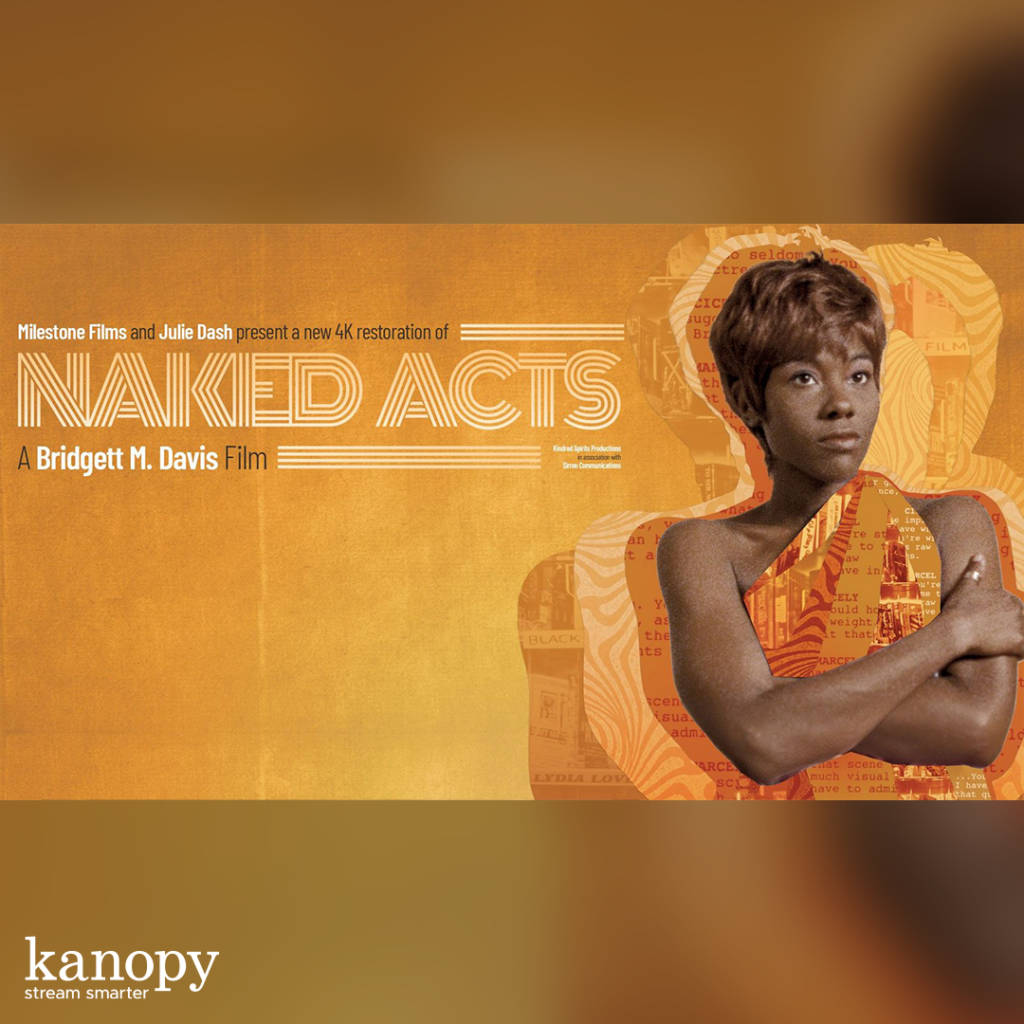
Beautiful aspiring actor Cicely (Jake-Ann Jones) has just landed her first major role, but there’s a big problem: it requires a nude scene. Her mother was a Blaxploitation star known for her sex appeal, while Cicely is a survivor of sexual assault with life-long body image issues, all of which has left her with a strong aversion to disrobing in public. Now, with the support of her boyfriend Joel (Ron Cephas Jones), she attempts to get past her fear.
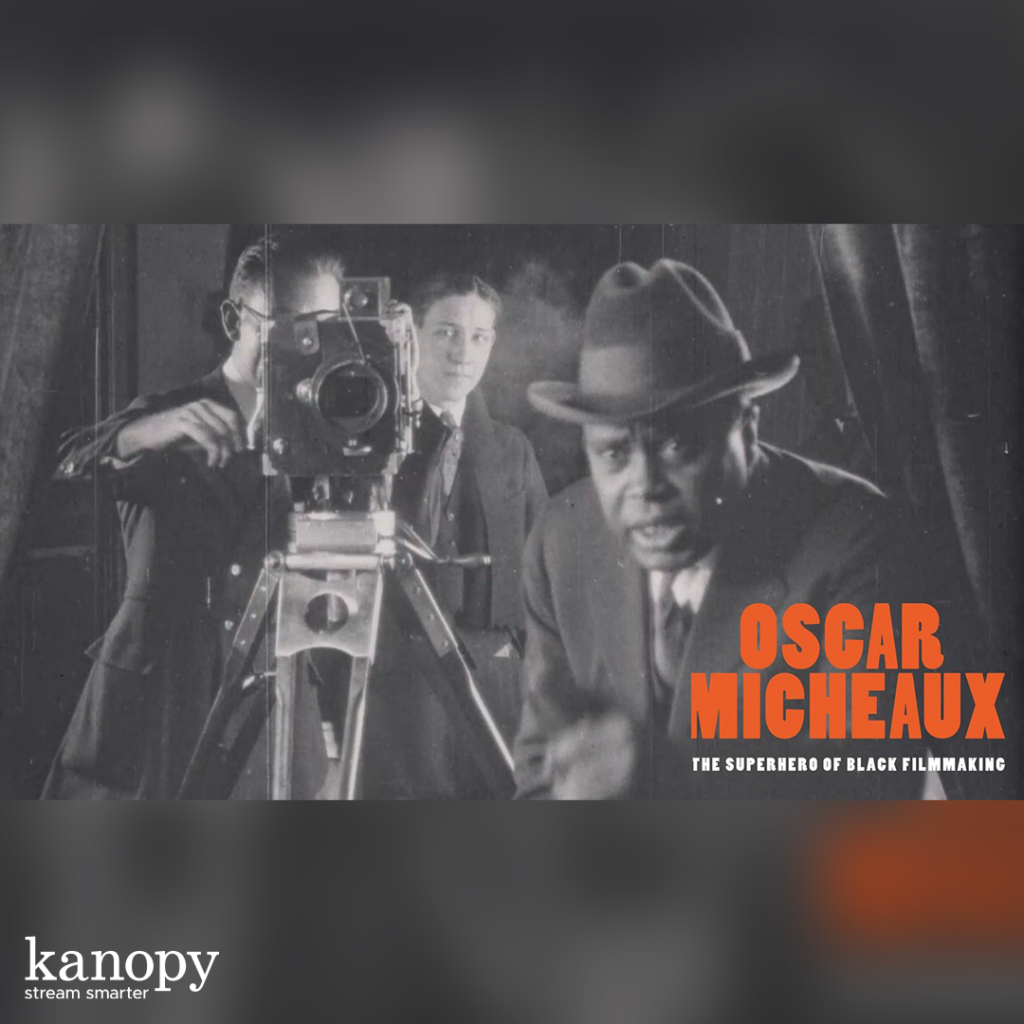
The most successful African American director of the first half of the 20th century, Oscar Micheaux wrote, directed, and produced more than 44 films and six novels before his death in 1951. Charting his incredible artistic journey, Zippel’s revealing documentary pays tribute to the extraordinary accomplishments of a resolute storyteller (and Illinois native) whose work served as a powerful rebuke to the ubiquitous racism of the times. A chorus of experts and fans—from Chuck D to Melvin van Peebles—weighs in on the incredible legacy of a man that cinema scholar Jacqueline Stewart describes as “the most important Black filmmaker who ever lived. Period.”